
Avoid Spam Trigger Words: How to Keep Your Emails Out of the Spam Folder
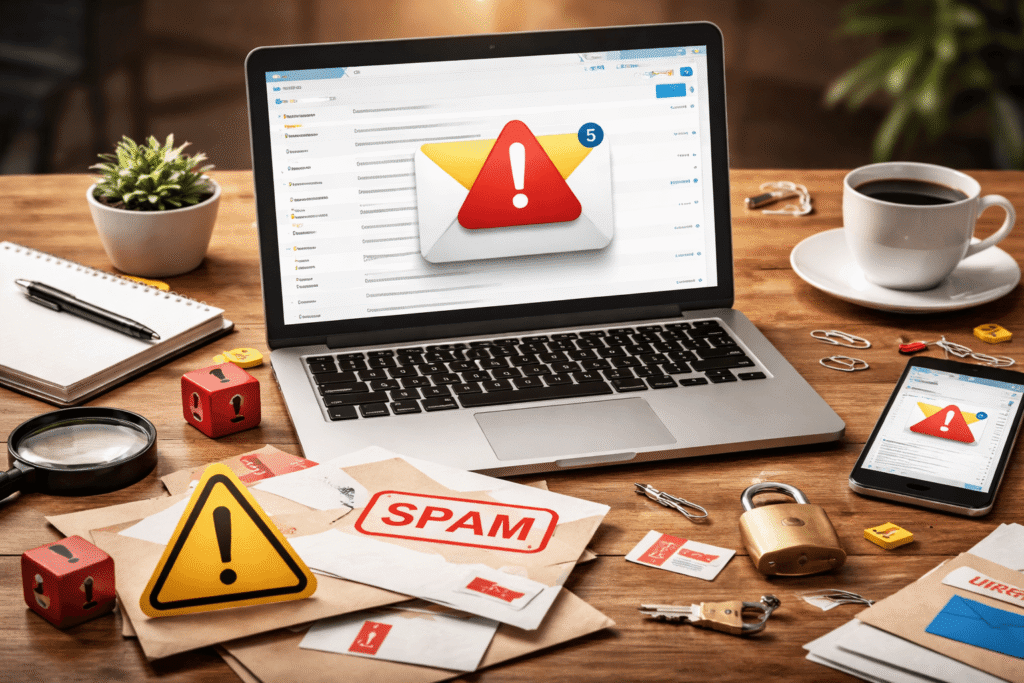
Email marketing remains one of the most effective ways for businesses to communicate with their audience. Whether you’re sending newsletters, promotional campaigns, or business updates, email allows you to reach people directly. However, one major challenge many marketers face is email deliverability—the ability of your email to reach the recipient’s inbox instead of the spam folder.
Even well-written and legitimate emails can end up in spam if certain mistakes are made. In many cases, it’s not just the content of the message but also the words, formatting, and sending practices that influence spam filters.
In this guide, you’ll learn how spam filters work, what words to avoid in emails, and practical tips to improve your email deliverability.
What Are Spam Trigger Words?
Spam trigger words are terms or phrases that email service providers associate with spam, scams, or misleading marketing. These words are commonly used in phishing emails, fake promotions, and fraudulent offers.
Email platforms like Gmail, Outlook, and Yahoo use advanced filtering systems that scan subject lines and email content for suspicious patterns. When too many of these patterns appear in a message, the system may automatically send the email to the spam folder.
Using one trigger word occasionally may not cause problems. However, combining several of them—especially with other red flags—can significantly increase the chances of your email being flagged.
Why Email Deliverability Matters
If your emails consistently land in spam folders, your audience may never see them. This can lead to:
- Lower open rates
- Reduced engagement
- Lost marketing opportunities
- Damage to your brand credibility
For businesses and organizations that rely on email marketing, improving deliverability is essential for building trust and maintaining communication with subscribers.
Best Practices to Improve Email Deliverability
Before worrying about specific words, it’s important to ensure your email practices follow industry standards.
1. Maintain a Clean Email List
One of the biggest factors affecting deliverability is subscriber engagement. If you regularly send emails to people who never open or interact with them, email providers may assume your content is irrelevant.
To maintain a healthy email list:
- Remove inactive subscribers regularly
- Avoid purchasing email lists
- Focus on people who genuinely want to receive your content
A highly engaged subscriber list improves your sender reputation, which increases the chances of your emails reaching the inbox.
2. Include a Clear Unsubscribe Option
Every legitimate marketing email should include an unsubscribe link.
Without it, frustrated recipients may mark your email as spam instead of simply opting out. Too many spam complaints can damage your sender reputation and reduce the effectiveness of future campaigns.
Providing an easy way to unsubscribe shows professionalism and builds trust with your audience.
3. Personalize Your Emails
Generic greetings such as:
- “Dear Friend”
- “Dear Customer”
- “Hello User”
can sometimes appear suspicious to spam filters.
Instead, personalize your messages using the recipient’s name. Many email marketing tools allow you to automatically insert the subscriber’s name into the greeting.
Personalized emails not only improve deliverability but also increase engagement.
4. Avoid Excessive Capital Letters and Punctuation
Spam emails often rely on exaggerated formatting to grab attention. For example:
- “LIMITED TIME OFFER!!!”
- “ACT NOW!!!”
Using too many capital letters or exclamation marks can trigger spam filters. Instead, maintain a clear and professional tone in your subject lines and email content.
5. Send Emails From a Verified Domain
Sending emails from a newly created or unverified address may raise suspicion with email providers.
To improve credibility:
- Use a professional domain email address
- Verify your sending domain
- Avoid constantly changing your sender address
A verified email account builds a positive sending history over time.
Common Spam Trigger Words to Avoid
Certain words and phrases are strongly associated with spam campaigns. Below are some common categories marketers should use cautiously.
1. Words That Promise Unrealistic Results
Spam emails often promise unbelievable rewards. Examples include:
- “100% free”
- “Once in a lifetime”
- “Miracle”
- “Guaranteed success”
These phrases can make your email appear misleading or promotional in an aggressive way.
2. Get-Rich-Quick Language
Promises of easy money are one of the most common spam indicators. Examples include:
- “Earn extra cash”
- “Additional income”
- “Financial freedom”
- “Be your own boss”
If these phrases appear frequently in your message, spam filters may flag your email.
3. Aggressive Financial Promotions
Words related to money and rewards can also raise red flags when overused. Examples include:
- “Cash bonus”
- “Big bucks”
- “No hidden fees”
- “Cents on the dollar”
Always ensure financial terms are used naturally and within the proper context.
4. Debt and Credit Repair Claims
Spam campaigns often promise unrealistic financial solutions. Phrases like:
- “Eliminate bad credit”
- “Consolidate debt”
are commonly associated with fraudulent emails.
5. Urgent or High-Pressure Language
Creating unnecessary urgency can make your email look suspicious. Examples include:
- “Act now”
- “Immediate response required”
- “Important information regarding your account”
While urgency can sometimes be useful in marketing, it should be used carefully.
6. Suspicious Prize Announcements
Spam filters often flag emails suggesting someone has won something unexpectedly, such as:
- “You are a winner”
- “You have been selected”
- “Congratulations! You’ve been chosen”
These phrases are widely used in phishing scams.
7. Statements That Try to Prove the Email Isn’t Spam
Ironically, phrases like:
- “This is not spam”
- “This isn’t junk mail”
can actually increase the likelihood that your message will be flagged.
Legitimate businesses rarely need to defend their emails this way.
8. Sensitive or Security-Related Words
Certain terms related to personal information may also trigger spam filters, including:
- “Password”
- “Social security number”
Similarly, emails containing medication names or exaggerated health claims may be flagged by spam detection systems.
Context Matters
It’s important to remember that spam filters evaluate patterns rather than individual words.
If your email:
- comes from a trusted domain
- has good engagement rates
- contains relevant content
- and follows professional email practices
then using one of these words occasionally may not cause a problem.
However, combining several trigger words with poor email practices can significantly increase the chances of landing in spam.
Final Thoughts
Avoiding spam trigger words is an important step toward improving your email marketing performance. By focusing on clear communication, professional formatting, and responsible email practices, you can significantly improve your chances of reaching your audience’s inbox.
Successful email marketing is not just about sending messages—it’s about building trust, providing value, and maintaining a strong sender reputation.
For businesses, marketers, and content creators, understanding how spam filters work is a key part of building effective digital communication strategies.
Final Thoughts: The Choice Is Ours
AI is not here to replace education.
It is here to challenge, transform, and expose its weaknesses.
The question is no longer whether AI belongs in education.
The real question is:
Will we shape AI with human values — or allow it to shape us without them?
As we move into the coming year, educators, students, parents, and policymakers must work together. The goal is not to fight AI, but to ensure that human creativity, critical thinking, and authenticity remain at the center of learning.
The future of education depends on it.