
10 Essential Online Privacy Hacks You Need to Know
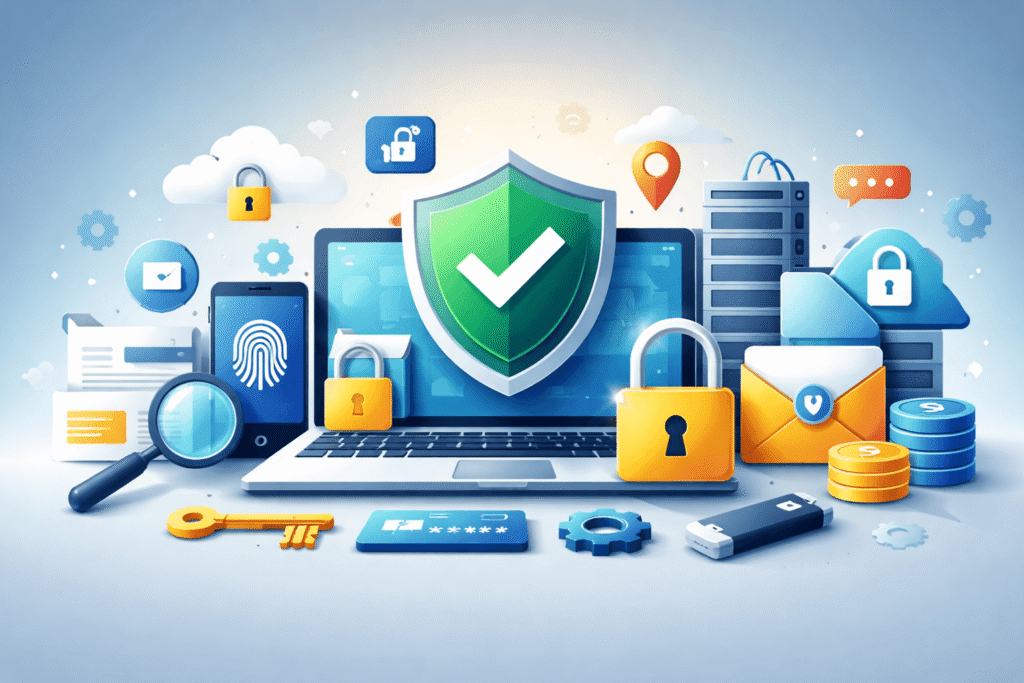
The internet has revolutionized how we connect, learn, and work—but it also comes with serious privacy risks. Big tech companies constantly collect data, and scammers are always on the lookout for vulnerabilities. Protecting your online privacy isn’t a one-time task; it requires consistent effort and smart habits. Here are ten practical strategies you can apply right away.
1. Use a Strong Password Manager
One of the simplest ways to improve your online security is by using a password manager. Tools like Bitwarden or Apple Passwords generate unique, strong passwords for each account and store them securely. This eliminates the need to remember dozens of passwords, reducing the risk of reuse or weak passwords that hackers can exploit.
2. Limit Personal Information Online
When signing up for apps or websites, avoid providing unnecessary personal information. You don’t always need to use your legal name, real date of birth, or email address. Even security questions can be answered with invented information. Every piece of data you share online is a potential vulnerability in case of a breach.
3. Protect Your Photos and Metadata
Photos often contain hidden metadata, like location and camera settings, known as EXIF data. This can reveal sensitive information about you. Disable location services for your camera and use apps to strip metadata before uploading images online. Screenshots can also leak information, so periodically review and delete them if needed.
4. Be Careful With AI Tools
Many AI platforms collect the data you provide to improve their services. Anything you input—text, images, or videos—can potentially be used for training models or sold to advertisers. Avoid sharing personal or sensitive information on AI platforms unless absolutely necessary. Assume that everything you upload could be stored indefinitely.
5. Use Email Aliases to Track Data Leaks
Modern email services allow you to create aliases, like yourname+service@gmail.com. This way, you don’t expose your primary email when signing up for new services. If spam starts coming to a particular alias, you’ll know which service leaked or sold your data.
6. Manage Your Digital Footprint
If your personal information appears in Google search results, you can request removal through Google’s support pages. Similarly, data brokers collect and sell personal information online. You can opt out of their databases or use services that remove your information from these sites.
7. Rethink VPNs
VPNs can protect some aspects of your online activity, but they are not a complete solution. Traffic is routed through the VPN provider’s servers, which requires trust in their privacy practices. VPNs also slow down internet speeds and can interfere with streaming or website access. Often, ad blockers and encrypted DNS services offer more practical privacy protection for everyday browsing.
8. Combine Privacy Tools Effectively
A layered approach works best. Use ad blockers like uBlock Origin and encrypted DNS services such as NextDNS, AdGuard DNS, or ControlD. These tools filter trackers, malware, and phishing attempts, giving you network-level protection across devices.
9. Use a Firewall
Apps often send data back to servers without your knowledge. A good firewall can monitor and restrict incoming and outgoing traffic on your device. While some app features may be limited, a firewall ensures that apps aren’t unnecessarily transmitting your data. Excellent options are available for both Mac and Windows.
10. Consider What You Share With Apps
Every app requests permissions for a reason, but most don’t need full access to contacts, location, camera, or microphone. Deny permissions unless they are essential for the app’s core function. Regularly review app permissions and adjust them as needed to minimize data exposure.
By implementing these steps, you can significantly improve your online privacy and take control of your digital footprint. Remember, online privacy is a continuous process, not a one-time task. Staying informed and cautious is the most effective strategy.